



CouchSetup is reader-supported. When you buy through links on our site, we may earn an affiliate commission at no extra cost to you. As an Amazon Associate, we earn from qualifying purchases. Read our affiliate disclosure
A real speaker system is the biggest jump in sound you can make after the TV itself. Five separate speakers put dialogue in the middle of the screen, effects beside you and music in front of you in a way no single box can. The catch is that “home theater speakers” covers everything from tiny satellites to 40-inch towers, and the wrong mix sounds worse than a good soundbar.
This guide picks 9 home theater speakers for 5.1 and Dolby Atmos systems, from a budget bookshelf pair to tower speakers with built-in Atmos, plus an all-in-one 5.1 pack for small rooms. Every spec comes from the maker’s spec sheet or a major retailer listing it. You’ll also find three ready-made 5.1 combinations, so you know exactly what to buy together.
Our verdict
Quick picks: for most living rooms, build a 5.1 system around a pair of Polk Monitor XT60 towers, the matching XT30 center and XT15 surrounds. For Dolby Atmos without ceiling speakers, get the Klipsch R-625FA towers with height drivers built in. In a small room or apartment, the Klipsch Reference Theater Pack is a complete 5.1 set in one box.
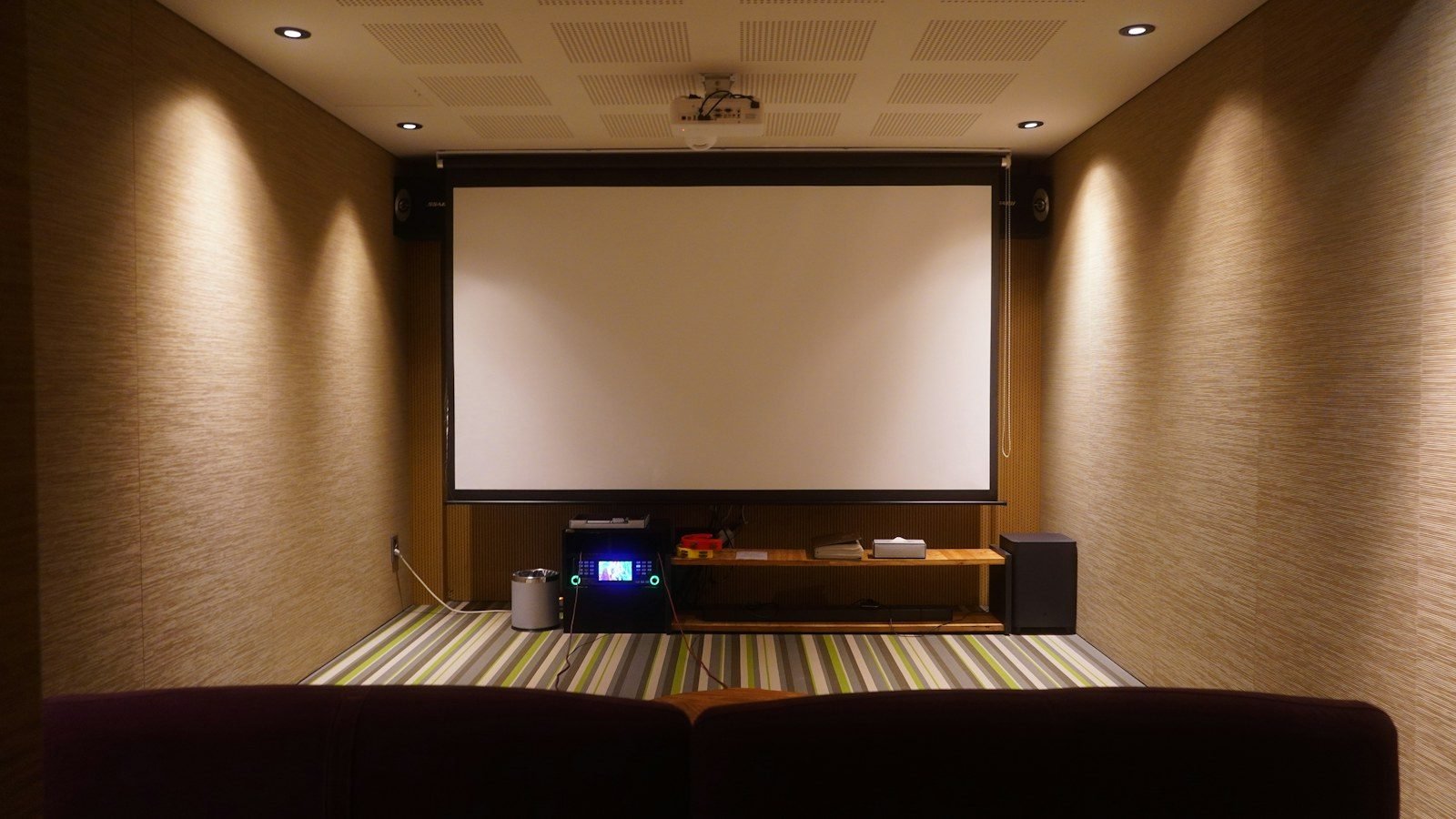
You’ll need an AV receiver. These are passive speakers: they get their power from a receiver, which also decodes surround sound and connects to your TV. See our best AV receivers if you don’t have one yet.
Top picks at a glance
Best overall
Polk Monitor XT60
Front left and right in most living rooms
$ BudgetBest for Atmos
Klipsch Reference R-625FA
5.1.2 Dolby Atmos without ceiling speakers
$$ Mid-rangeBest center
Polk Monitor XT30
Clear dialogue with Polk Monitor XT fronts
$ BudgetWhat are the best home theater speakers?
For most people, the best home theater speakers are a matched set from one speaker line, so the front three sound the same as voices and effects move across the screen. Polk’s Monitor XT line is the best value way to do that, and Klipsch’s Reference line is the easy route to Dolby Atmos. Here are all 9 picks.
| Speaker | Role | Drivers | Sensitivity | Sold as | Price |
|---|---|---|---|---|---|
| Polk Monitor XT60 | Front towers | 1″ tweeter, 6.5″ woofer, 2 passive radiators | 86 dB | Single | $Check price |
| Klipsch R-625FA | Atmos front towers | 1″ horn tweeter, 2x 6.5″ woofers + Atmos module | 96 dB | Single | $$Check price |
| Polk Monitor XT30 | Center | 1″ tweeter, 2x 5.25″ woofers | 89 dB | Single | $Check price |
| Polk Monitor XT15 | Surrounds / small fronts | 1″ tweeter, 5.25″ woofer | 86 dB | Pair | $Check price |
| ELAC Debut 3.0 B6.3 | Bookshelf fronts | 1″ aluminum tweeter, 6.5″ woofer | 87 dB | Pair | $$Check price |
| Klipsch RP-600M II | Premium bookshelf fronts | 1″ horn tweeter, 6.5″ woofer | 94.5 dB | Pair | $$$Check price |
| Polk Monitor XT90 | Atmos height add-on | 4″ woofer | 89 dB | Pair | $Check price |
| Klipsch R-41SA | Atmos height or surrounds | 1″ horn tweeter, 4″ woofer | Dolby spec | Pair | $Check price |
| Klipsch Reference Theater Pack | Complete 5.1 set | 4 satellites, center, 8″ wireless sub | n/a | 6-piece set | $$Check price |
Sensitivity is how loud a speaker plays from 1 watt (or 2.83 volts); higher numbers need less amplifier power. Specs from Polk (via ListenUp), Klipsch (via Audio Advisor, B&H and Crutchfield) and ELAC (via Audio Advisor).
Home theater speakers at a glance
| Speaker | Best for | Why | Price |
|---|---|---|---|
| Polk Monitor XT60 | Most living rooms | Full-range towers that don’t need a big amp | $Check price |
| Klipsch R-625FA | Atmos without ceiling speakers | Height drivers built into the top | $$Check price |
| Polk Monitor XT30 | Clear dialogue | Matches the XT line, 89 dB sensitivity | $Check price |
| Polk Monitor XT15 | Budget surrounds | Small, wall-mountable, sold as a pair | $Check price |
| ELAC Debut 3.0 B6.3 | Music and movies | Detailed, neutral bookshelf pair | $$Check price |
| Klipsch RP-600M II | Big, punchy sound | 94.5 dB, plays loud on modest power | $$$Check price |
| Polk Monitor XT90 | Cheap Atmos upgrade | Sits on top of XT60 towers | $Check price |
| Klipsch R-41SA | Atmos with Klipsch fronts | Bounce height or wall-mount surround | $Check price |
| Klipsch Reference Theater Pack | Small rooms, apartments | Complete 5.1 with a wireless sub | $$Check price |
The best home theater speakers
1. Polk Monitor XT60: best home theater speakers for most people
The XT60 is a slim tower, about 36 inches tall and 7.5 inches wide, with a 1-inch tweeter, a 6.5-inch woofer and two 6.5-inch passive radiators that add bass without a big port. Polk rates it from 38 Hz to 40 kHz and Hi-Res Audio certified, and it works with 4- and 8-ohm receivers, so almost any AV receiver can drive it. It’s the front pair of Polk’s Monitor XT line, which includes a matching center, surrounds and Atmos modules.
Polk Monitor XT60
Best for Front left and right in most living rooms
- 1
Prices change often, so check today’s price on Amazon.
Good to know: it’s sold as a single speaker on Amazon, so you need two. It rates 4.6 out of 5 from more than 500 Amazon buyers. Add the XT90 on top for Dolby Atmos (pick 7).
2. Klipsch Reference R-625FA: best tower speakers for Dolby Atmos
The R-625FA has an Atmos speaker built into the top of each tower, aimed at the ceiling to bounce height effects down to you. That turns a 5.1 system into 5.1.2 Atmos with no ceiling holes. The main tower uses Klipsch’s horn-loaded 1-inch tweeter and two 6.5-inch woofers, rated 38 Hz to 21 kHz, and at 96 dB sensitivity it plays loud even on an entry-level receiver.
Klipsch Reference R-625FA
Best for 5.1.2 Dolby Atmos without ceiling speakers
- 1
Prices change often, so check today’s price on Amazon.
Good to know: sold singly, and each tower needs two pairs of speaker wire (main and Atmos) plus a receiver with at least 7 channels, like the Denon AVR-X1800H. Up-firing works best under a flat ceiling about 8 to 12 feet high. Klipsch’s horn tweeters sound bright and lively, which some people love and some find too sharp.
3. Polk Monitor XT30: best center channel
The center speaker carries most of the dialogue, so it matters more than the surrounds. The XT30 has a 1-inch tweeter between two 5.25-inch woofers in a wide, low cabinet (19.9 inches wide, 6.5 inches tall) that fits under most TVs. At 89 dB it’s more sensitive than the XT60 and XT15 (86 dB), which helps voices stand out.
Polk Monitor XT30
Best for Clear dialogue with Polk Monitor XT fronts
- 1
Prices change often, so check today’s price on Amazon.
Good to know: pair your center with fronts from the same line. A mismatched center makes voices sound different from the effects around them. Our guide to fixing TV dialogue you can’t hear has more on why the center matters.
4. Polk Monitor XT15: best budget surround speakers
The XT15 is a compact bookshelf pair (about 10.6 inches tall) with a 1-inch tweeter and a 5.25-inch woofer, rated 48 Hz to 40 kHz. It has a keyhole and a threaded insert for wall mounting, which is exactly what surround speakers need. It’s also one of the best-rated speakers on Amazon in its class, at 4.8 out of 5 from more than 1,100 buyers.
Polk Monitor XT15
Best for Surrounds, or fronts in a small room
- 1
Prices change often, so check today’s price on Amazon.
5. ELAC Debut 3.0 B6.3: best bookshelf speakers for music and movies
If your system plays as much music as movies, the B6.3 is the bookshelf pair to get. It’s the latest version of ELAC’s Debut line, which What Hi-Fi praised in its last generation for a clear, revealing sound that doesn’t add its own color. The 3.0 version moves to a 1-inch aluminum tweeter, adds internal bracing and moves the port to the back. It’s rated 42 Hz to 38 kHz.
ELAC Debut 3.0 B6.3
Best for Front speakers in a music-and-movies system
- 1
Prices change often, so check today’s price on Amazon.
Good to know: the rear port needs 1 to 2 feet of space from the wall, and it’s a 6-ohm speaker, which most current AV receivers handle fine. Put them on stands at ear height.
6. Klipsch Reference Premiere RP-600M II: best premium bookshelf speakers
The RP-600M II is a big bookshelf speaker with a horn-loaded titanium tweeter and a 6.5-inch Cerametallic woofer, rated 44 Hz to 25 kHz. At 94.5 dB sensitivity it gets very loud from very little power, so explosions and music have real punch even on a modest receiver. It’s the pick if you want a lively, dynamic sound from a pair of speakers on stands.
Klipsch Reference Premiere RP-600M II
Best for Punchy front speakers on stands
- 1
Prices change often, so check today’s price on Amazon.
7. Polk Monitor XT90: best budget Dolby Atmos add-on
The XT90 is an Atmos height module that sits on top of the XT60 tower (or the XT20 and XT70) and bounces sound off the ceiling, or mounts on the wall. A pair adds the “.2” to a 5.1 system for very little money. It uses a 4-inch woofer, rated 94 Hz to 22 kHz at 89 dB.
Polk Monitor XT90
Best for Adding Atmos height to Polk XT60 towers
- 4
Prices change often, so check today’s price on Amazon.
8. Klipsch Reference R-41SA: best Atmos speakers for Klipsch systems
The R-41SA does double duty: set it on top of a speaker to bounce Atmos off the ceiling, or hang it on the wall as a surround. It uses the same horn-loaded tweeter as the rest of the Klipsch Reference line plus a 4-inch woofer, so it blends with R-625FA towers. It’s rated 4.7 out of 5 from more than 1,400 Amazon buyers.
Klipsch Reference R-41SA
Best for Atmos height or surrounds with Klipsch fronts
- 1
Prices change often, so check today’s price on Amazon.
9. Klipsch Reference Theater Pack: best complete 5.1 system for small rooms
If you want real 5.1 without five big boxes, the Theater Pack puts four small satellites, a center and a wireless 8-inch subwoofer in one box. Each satellite is under 8 inches tall and the sub connects wirelessly from a transmitter that plugs into your receiver’s sub output, so there’s one less cable across the room. Klipsch rates the system from 38 Hz to 23 kHz.
Klipsch Reference Theater Pack
Best for Apartments and small living rooms
- 4 satellites and a center with 3.5
Prices change often, so check today’s price on Amazon.
Good to know: it still needs an AV receiver, and the small sub won’t shake a big room. You can upgrade the bass later with one of our best subwoofers.
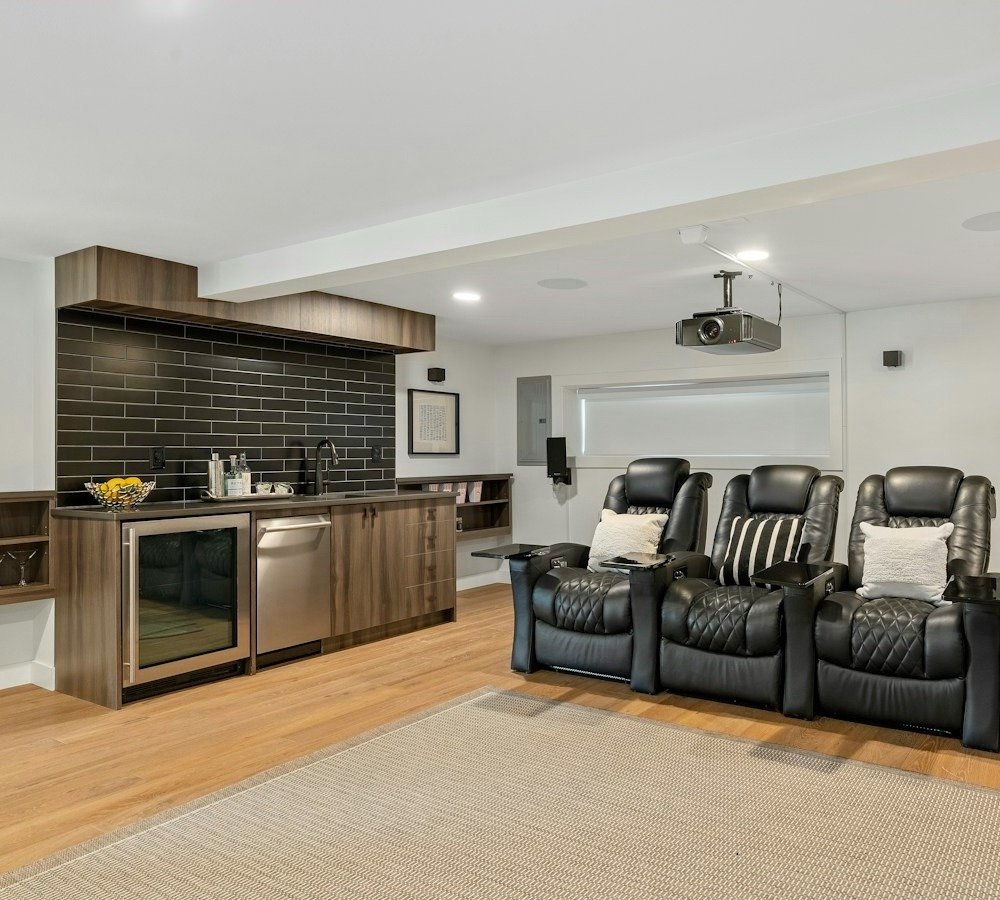
Three ready-made 5.1 systems
Mixing and matching is where most systems go wrong. These combinations use speakers from one line for the front three, which keeps voices and effects sounding the same as they move across the screen.
| System | Fronts | Center | Surrounds | Height | Subwoofer |
|---|---|---|---|---|---|
| Small room 5.1 | Klipsch Theater Pack satellites | Theater Pack center | Theater Pack satellites | None | Included wireless 8″ |
| Best value 5.1 / 5.1.2 | 2x Polk Monitor XT60 | Polk Monitor XT30 | Polk Monitor XT15 (pair) | Optional Polk XT90 on top of the XT60s | Polk Monitor XT12 or SVS SB-1000 Pro |
| Klipsch Atmos 5.1.2 / 5.1.4 | 2x Klipsch R-625FA (Atmos built in) | A Klipsch Reference center | Klipsch R-41SA (pair) | Built into the towers; R-41SA on top of the surrounds for .4 | Klipsch R-120SW or SVS SB-1000 Pro |
Subwoofer details are in our best subwoofers for home theater guide, and a 5.1.4 layout needs a receiver with 9 or more channels; see best AV receivers.
How to choose home theater speakers
Towers or bookshelf speakers?
Towers play deeper and fill a bigger room without help, and they don’t need stands. Bookshelf speakers cost less, fit smaller rooms and sound just as good with a subwoofer handling the bass, which almost every home theater should have anyway. In a typical living room with a sub, good bookshelf speakers are often the smarter buy.
Match the front three
Your left, center and right speakers should come from the same line, so a voice that moves from the center to the side doesn’t change character. Surrounds matter less and can be smaller, but staying in the same family still helps.
Sensitivity and your receiver
Sensitivity tells you how much power a speaker needs. Klipsch speakers in the mid-90s dB play loud on any receiver. Polk and ELAC speakers in the high 80s need a bit more power to reach the same volume, which is fine for most rooms but worth knowing if your receiver is small or your room is big. Check that your receiver supports the speaker’s impedance: 6 and 8 ohms are fine for almost every current model.
Dolby Atmos: up-firing or in-ceiling?
Up-firing speakers (built into towers like the R-625FA, or add-ons like the XT90 and R-41SA) bounce sound off the ceiling and need no holes. They work best under a flat, hard ceiling about 8 to 12 feet high. In-ceiling speakers sound more precise overhead but mean cutting into the ceiling. For most living rooms, up-firing is the practical choice.
Where to put your speakers
- Front left and right: about 22 to 30 degrees either side of your seat, tweeters near ear height.
- Center: directly above or below the screen, angled toward your ears.
- Surrounds: about 90 to 110 degrees to the sides, a little above ear height.
- Run your receiver’s room calibration after everything is placed, then set the crossover around 80 Hz.
Our speaker placement calculator gives you exact angles and distances for 5.1, 7.1 and Atmos layouts, and the home theater room calculator helps with screen and seating.
Home theater speakers by budget
| Budget | What to buy |
|---|---|
| $ Starter | Klipsch Reference Theater Pack, or Polk XT15 pairs for fronts and surrounds plus the XT30 center |
| $$ Best value | Polk Monitor XT60 towers, XT30 center, XT15 surrounds, plus a subwoofer |
| $$ Atmos | Klipsch R-625FA towers with R-41SA surrounds, or add Polk XT90s to the Polk system |
| $$$ Premium | Klipsch RP-600M II or ELAC Debut 3.0 B6.3 fronts on stands, with the same brand’s center |
Speakers we’d skip
- Cheap “home theater in a box” systems with tiny satellites and a huge peak-watt number. They rarely sound better than a good soundbar.
- A center from a different brand than your fronts. Voices will change tone as they move across the screen.
- Big towers in a small room with the speakers pushed into corners. They’ll sound boomy; bookshelf speakers and a sub fit better.
Soundbar or speakers?
If you don’t want a receiver and speaker wire, a soundbar is simpler and can sound great in a small room. A speaker system wins on scale, real surround and upgradeability. Our soundbar vs surround sound guide compares both, and the soundbar buying guide covers the other route.
How we picked
We compared speakers from Polk, Klipsch and ELAC on driver size, frequency response, sensitivity, impedance, size and how well each fits into a matched 5.1 or Atmos system. Specs come from each maker’s spec sheet as listed by ListenUp, Audio Advisor, B&H and Crutchfield, and we checked that each speaker is currently sold on Amazon with a strong buyer rating. We also used What Hi-Fi’s review of the previous ELAC Debut generation. We didn’t test these speakers ourselves. Prices change often, so we show price tiers instead of prices.
FAQ
What are the best home theater speakers?
For most rooms, a matched Polk Monitor XT system: XT60 towers, the XT30 center and XT15 surrounds. For Dolby Atmos without ceiling speakers, the Klipsch R-625FA towers.
Are tower speakers better than bookshelf speakers for home theater?
Towers play deeper and fill bigger rooms, but with a subwoofer, good bookshelf speakers sound just as good in most living rooms and cost less.
Do home theater speakers need a receiver?
Yes. Passive speakers like these need an AV receiver for power and surround decoding. Powered systems and soundbars don’t.
Can I mix speaker brands in a 5.1 system?
You can, but keep the front left, center and right from the same line. Surrounds and the subwoofer can be other brands.
What is the best speaker setup for Dolby Atmos?
5.1.2 is the easiest step: two up-firing height speakers on top of your fronts, or towers with them built in like the Klipsch R-625FA. 5.1.4 adds two more and needs a 9-channel receiver.
How many watts do home theater speakers need?
Check the recommended amp power on the spec sheet. Most of these speakers work with 20 to 200 watts per channel, which covers almost every AV receiver.
Related guides
- Best AV receivers
- Best subwoofers for home theater
- Speaker placement calculator
- Soundbar vs surround sound
- Home theater under $1,000
Sources: ListenUp: Polk Monitor XT60 · ListenUp: Polk Monitor XT30 · ListenUp: Polk Monitor XT15 · ListenUp: Polk Monitor XT90 · Klipsch R-625FA spec sheet (Audio Advisor) · Audio Advisor: Klipsch R-41SA · HiFiVerse: Klipsch RP-600M II · Audio Advisor: ELAC Debut 3.0 B6.3 · Crutchfield: Klipsch Reference Theater Pack · What Hi-Fi: ELAC Debut 2.0 B6.2 review